Why I Finally Took Control of My Aging Journey – And What Changed Everything
Aging isn’t something we can stop, but how we age is more within our control than most realize. A few years ago, I started noticing changes—less energy, slower recovery, that “blah” feeling most days. That’s when I shifted from reacting to symptoms to proactively supporting my long-term health. This isn’t about chasing youth; it’s about staying strong, sharp, and vibrant. What I learned reshaped my daily habits and mindset—because true anti-aging starts with awareness, not products.
The Wake-Up Call: Recognizing Early Signs of Aging
Many people accept fatigue, joint stiffness, and mental fog as inevitable parts of growing older. Yet these subtle shifts are not just signs of time passing—they are signals from the body that something is out of balance. For years, women in their 30s to 50s often dismiss low energy as a result of busy schedules or parenting demands, when in reality, it may point to deeper metabolic or hormonal shifts. Similarly, occasional forgetfulness or difficulty concentrating—often labeled as “mom brain”—can be early indicators of cognitive strain linked to sleep quality, nutrition, or stress levels.
What changed for me was learning to listen. Instead of reaching for coffee or pushing through exhaustion, I began asking why I felt this way. Was I sleeping enough? Was my diet supporting my energy needs? Was stress silently wearing me down? These questions opened the door to a more intentional approach. The truth is, the body sends warning signals long before serious health issues arise. Recognizing them early allows for timely intervention—before fatigue becomes chronic, before stiffness turns into mobility limitations, before mental fog clouds daily life.
For many women, this awareness often comes after a pivotal moment—a doctor’s appointment, a missed hike with family, or simply looking in the mirror and realizing they don’t feel like themselves. That moment of clarity can be powerful. It’s not about fear or vanity; it’s about reclaiming vitality. When we stop normalizing discomfort and start paying attention, we shift from passive aging to active well-being. This internal shift—choosing to respond rather than react—is where real transformation begins.
Debunking Anti-Aging Myths: What Science Really Says
The world of anti-aging is filled with promises: creams that erase wrinkles overnight, supplements claiming to reverse biological age, and diets that supposedly halt aging in its tracks. While these appeals are strong, especially for women seeking to maintain health and appearance, most lack scientific backing. One of the most persistent myths is that aging is purely genetic—that if your parents aged slowly, you will too, and if they didn’t, there’s little you can do. In reality, research shows that lifestyle factors influence up to 75% of how we age, while genetics account for only about 25%. This means the choices we make every day have far more impact than our DNA alone.
Another common misconception is that anti-aging means fighting time through extreme measures. Some believe that fasting for days, eliminating entire food groups, or adopting intense regimens will yield faster results. But sustainable health isn’t built on restriction or deprivation. True longevity comes from consistency, not intensity. Short-term fixes often lead to burnout, nutrient deficiencies, or metabolic slowdown—outcomes that can accelerate aging rather than slow it.
There’s also a widespread belief that anti-aging begins in your 50s or 60s. But the foundation for healthy aging is laid decades earlier. Cellular health, bone density, muscle mass, and vascular function all begin shifting in midlife, sometimes even in the 30s. Waiting until symptoms appear means missing the window for prevention. Science supports a proactive approach: what you do now matters more than what you’ll do later. The good news is that it’s never too early—or too late—to start making supportive choices.
Finally, many equate anti-aging with appearance—smooth skin, fewer wrinkles, youthful looks. While skincare has its place, true aging well goes beyond the surface. It’s about maintaining strength, cognitive clarity, immune resilience, and emotional balance. When we focus only on looks, we overlook the systems that sustain life. The real goal isn’t to look younger—it’s to feel stronger, think clearer, and live independently for as long as possible.
Nutrition as Foundation: Eating for Cellular Longevity
Food is one of the most powerful tools we have for influencing how we age. Every bite we eat either supports cellular repair or contributes to inflammation and oxidative stress—two key drivers of aging. The idea isn’t to follow a restrictive diet but to build a sustainable eating pattern that nourishes the body at a deep level. Research consistently shows that diets rich in whole, plant-based foods—such as vegetables, fruits, legumes, nuts, and whole grains—are linked to longer health spans and reduced risk of chronic disease.
One of the most important shifts I made was moving away from processed foods and focusing on nutrient density. Instead of counting calories, I began asking: does this food give my body what it needs? For example, swapping white bread for whole grain toast with avocado added healthy fats and fiber, which helped stabilize my energy and reduce afternoon crashes. Adding leafy greens to at least one meal a day increased my intake of vitamins K, C, and folate—nutrients essential for bone and heart health. These small changes didn’t feel like sacrifices; they felt like upgrades.
Protein intake also became a priority. As we age, our bodies become less efficient at using protein, which can lead to muscle loss—a condition known as sarcopenia. Including a source of high-quality protein at every meal—such as eggs, Greek yogurt, beans, or lean poultry—helped preserve muscle mass and support metabolism. I also learned about protein timing: spreading intake evenly throughout the day is more effective than consuming most of it at dinner. This simple adjustment made a noticeable difference in how I felt physically.
Healthy fats, particularly omega-3 fatty acids from sources like fatty fish, flaxseeds, and walnuts, play a crucial role in brain health and reducing inflammation. I started incorporating fatty fish into my meals twice a week and added ground flaxseed to my morning oatmeal. These changes supported cognitive function and joint comfort. At the same time, I reduced added sugars and refined carbohydrates, which are linked to insulin resistance and accelerated aging. Instead of sugary snacks, I reached for berries, nuts, or plain yogurt with cinnamon—options that satisfied cravings without spiking blood sugar.
The goal wasn’t perfection but progress. I allowed myself flexibility, knowing that consistency over time matters more than occasional indulgences. What emerged was not a diet, but a lifelong way of eating—one that supported energy, digestion, and long-term resilience.
Movement That Matters: Beyond the Gym
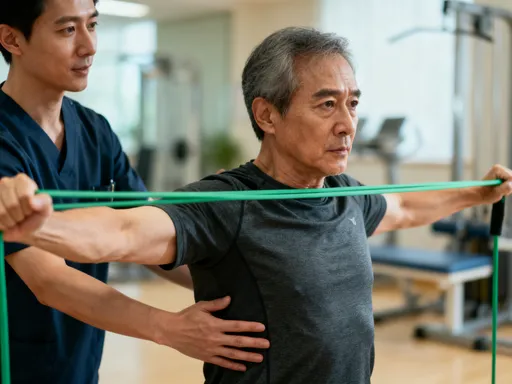
Exercise is often associated with weight loss or appearance, but its most profound benefits are functional. For women navigating the demands of family, work, and personal well-being, movement is not a luxury—it’s a necessity for maintaining independence and vitality as they age. The right kind of physical activity preserves muscle, supports joint health, enhances balance, and even protects brain function. Yet many believe that unless they’re sweating through an intense workout, they’re not doing enough. This mindset can lead to burnout or injury, especially when life gets busy.
What changed for me was redefining what counts as movement. It’s not just about hitting the gym three times a week—it’s about building activity into daily life. Walking became my foundation. A 30-minute walk after dinner, whether around the neighborhood or on a local trail, improved circulation, digestion, and mood. Over time, I noticed better sleep and less stiffness in the mornings. I also incorporated strength training twice a week, using bodyweight exercises or light dumbbells. These sessions took less than 20 minutes but made a significant difference in maintaining muscle tone and bone density.
Flexibility and balance are often overlooked, yet they are essential for preventing falls and staying mobile. Simple practices like stretching in the morning, using a foam roller, or trying gentle yoga helped me feel more fluid in my movements. I also began doing a few balance exercises—standing on one foot while brushing my teeth, for example—which may seem small but contribute to stability over time. These habits didn’t require extra time; they were woven into my existing routine.
The key insight was that consistency beats intensity. A daily 15-minute walk is more beneficial than an hour-long workout once a week. The body thrives on regular signals that it is being used and supported. Over time, these small efforts compound: stronger muscles protect joints, better circulation supports organ function, and improved balance reduces injury risk. Movement, in this sense, becomes a form of self-respect—a daily commitment to staying capable and independent.
Sleep & Stress: The Invisible Drivers of Aging
If nutrition and movement are the pillars of health, sleep and stress management are the unseen forces that either support or sabotage them. Poor sleep and chronic stress operate at the cellular level, accelerating biological aging through increased inflammation, hormonal imbalance, and impaired repair processes. Cortisol, the primary stress hormone, rises during periods of prolonged pressure. When elevated for too long, it can disrupt blood sugar regulation, weaken immunity, and contribute to weight gain—particularly around the abdomen.
For many women, stress is a constant companion. Juggling responsibilities, caring for family, and managing personal goals can create a state of low-grade, persistent stress. Without conscious recovery, this takes a toll. Similarly, sleep is often sacrificed in favor of productivity. But skimping on rest doesn’t just leave you tired—it impairs cognitive function, slows metabolism, and reduces the body’s ability to repair DNA. Studies show that chronic sleep deprivation is linked to a higher risk of heart disease, diabetes, and cognitive decline.
Improving sleep started with small adjustments. I established a consistent bedtime and created a wind-down routine: turning off screens an hour before bed, drinking herbal tea, and reading a book instead of scrolling. I also made my bedroom a sleep sanctuary—cool, dark, and quiet. These changes improved sleep quality more than I expected. Within weeks, I felt more alert in the mornings and less reliant on caffeine.
Managing stress required a different approach. I began incorporating mindfulness practices, such as deep breathing, short meditations, or simply pausing to notice my surroundings. These moments of stillness didn’t eliminate stress, but they helped me respond more calmly. I also learned to recognize my stress triggers and build in micro-resets throughout the day—stepping outside for fresh air, taking a few deep breaths, or listening to calming music. These small acts reduced the cumulative wear and tear on my body.
Over time, I realized that sleep and stress aren’t just lifestyle factors—they are biological necessities. Prioritizing them isn’t selfish; it’s essential for long-term health. When we rest well and manage stress, we give our bodies the space to repair, renew, and function optimally.
The Role of Prevention: Screening, Monitoring, and Doctor Visits
One of the most empowering aspects of aging well is staying informed. Regular health screenings and check-ups are not just for when something feels wrong—they are proactive tools for catching imbalances early. Blood pressure, cholesterol levels, blood sugar, vitamin D, and thyroid function are all measurable indicators that provide insight into internal health. Knowing these numbers allows for early intervention, often before symptoms arise.
I used to avoid doctor visits unless I was sick. But after learning about the importance of prevention, I began scheduling annual physicals and discussing age-appropriate screenings with my healthcare provider. This included bone density tests, mammograms, and blood work to assess inflammation markers and nutrient levels. These appointments weren’t about fear—they were about empowerment. Each test provided data that helped me make informed decisions about my diet, activity, and supplementation.
It’s important to emphasize that this isn’t about self-diagnosing or replacing professional care. The goal is partnership—working with a trusted provider to understand your health landscape and make adjustments as needed. For example, discovering a mild vitamin D deficiency led me to increase sun exposure and consider a supplement under medical guidance. Identifying slightly elevated blood pressure prompted me to reduce sodium intake and focus on stress management.
Preventive care also includes staying up to date on vaccinations, dental health, and eye exams—all of which contribute to overall well-being. These appointments may seem routine, but they are foundational. They reflect a commitment to long-term health, not just crisis management. By staying engaged with my health, I’ve gained confidence in my ability to age with strength and awareness.
Building a Lifestyle, Not a Quick Fix: Small Habits, Big Impact
The most lasting changes don’t come from dramatic overhauls but from small, consistent habits. The idea of transforming your health overnight is appealing, but real longevity is built gradually—through daily choices that compound over time. Instead of aiming for perfection, I focused on progress: drinking more water, adding one vegetable to each meal, walking a little more, sleeping a little better. These actions seemed minor at first, but their cumulative effect was profound.
Habit formation works best when it’s realistic and sustainable. I started by choosing one change at a time—like improving sleep—and sticking with it until it felt natural. Then I added another, such as meal prepping on Sundays to support healthier eating during busy weeks. I also redesigned my environment to support my goals: keeping fruit on the counter, placing walking shoes by the door, and setting phone reminders for movement breaks. These small cues made healthy choices easier and more automatic.
Mindset played a crucial role. I shifted from thinking, “I have to do this” to “I get to do this.” Framing self-care as a privilege, not a chore, changed my relationship with healthy habits. I also learned to be kind to myself when I slipped up. Aging well isn’t about flawless execution—it’s about resilience, consistency, and self-compassion. The goal isn’t to be perfect but to be persistent.
Over time, these habits became part of my identity. I no longer saw them as tasks to complete but as expressions of how I valued myself. This internal shift—from obligation to ownership—was the most powerful change of all. When your daily routine reflects your commitment to long-term well-being, aging becomes not something to fear, but a journey to embrace.
Aging well isn’t about defying time—it’s about honoring it with intention. By shifting focus from appearance to function, from fear to empowerment, we can build a life of energy, clarity, and strength at every age. The best anti-aging strategy isn’t hidden in a bottle; it’s woven into the way we live every day.