How Exercise Rewired My Emotional Life — A Real Story
We all struggle with emotions—overwhelm, frustration, sudden sadness. For years, I felt controlled by mine. Then I discovered something unexpected: movement changed everything. Not therapy, not medication, but consistent, simple exercise. This isn’t a miracle fix, but a real, science-backed shift. I started small, doubted hard, but gradually noticed clearer moods, better reactions, and real emotional control. Here’s how physical activity became my most powerful tool for emotional balance.
The Emotional Rollercoaster: Living Without Regulation
Life has always brought its share of challenges, but for many years, I felt like my emotions were steering the ship instead of me. Small frustrations—a delayed grocery line, a misplaced key, a child’s tantrum—would spiral into disproportionate reactions. I’d snap at loved ones, retreat into silence, or cry without understanding why. My mood shifted like weather, unpredictable and often stormy. It wasn’t just about feeling sad or angry; it was the lack of control, the sense that I was at the mercy of invisible tides within me.
These emotional waves didn’t stay contained. They spilled into every part of my life. At work, I struggled to focus when anxiety hummed beneath the surface. I’d second-guess decisions, avoid speaking up in meetings, or overcommit just to prove I was capable. At home, my relationships suffered. My partner walked on eggshells during my low moods, and my children learned to read my expressions like weather forecasts. Self-esteem eroded over time. I began to believe I was simply too sensitive, too reactive, too much.
The turning point came after a particularly exhausting week. I had canceled plans, missed deadlines, and spent an evening sobbing over a burnt dinner. That moment wasn’t dramatic, but it was revealing: I realized I wasn’t just tired—I was emotionally depleted. I had been managing symptoms, not addressing the root. I had tried journaling, talked to friends, even considered therapy, but nothing created lasting change. What I needed wasn’t another coping mechanism, but a shift in how my nervous system responded to stress. That’s when I began to consider the role of the body in emotional health.
It felt counterintuitive at first. When you’re emotionally overwhelmed, the last thing you want to do is move. The idea of physical effort when you’re already drained can seem impossible. But I started questioning the assumption that emotional regulation was purely a mental process. What if the body held a key I hadn’t tried yet? That curiosity led me to explore how physical activity might influence not just my fitness, but my inner world.
The Science Behind Movement and Mood: What Actually Happens
What I discovered surprised me. Exercise isn’t just about burning calories or building muscle—it’s one of the most effective tools we have for reshaping brain chemistry. When we move, our bodies release a cascade of neurochemicals that directly influence mood and mental clarity. Endorphins, often called the body’s natural painkillers, reduce discomfort and create a sense of well-being. Serotonin, a key regulator of mood, sleep, and appetite, increases with physical activity, helping to stabilize emotions. Dopamine, linked to motivation and reward, rises during and after exercise, making us feel more focused and accomplished.
But the benefits go beyond these feel-good chemicals. Research shows that regular physical activity supports neuroplasticity—the brain’s ability to reorganize and form new neural connections. This is crucial for emotional regulation. When we exercise consistently, we strengthen the pathways between the prefrontal cortex, which governs decision-making and self-control, and the amygdala, the brain’s emotional alarm system. Over time, this means we’re less likely to react impulsively to stress and more capable of pausing, assessing, and responding thoughtfully.
Multiple studies confirm the emotional benefits of movement. A review published in the Journal of Clinical Psychiatry found that moderate aerobic exercise significantly reduces symptoms of anxiety and depression. Another study from Harvard Medical School showed that people who engaged in regular physical activity were 25% less likely to develop depression over a five-year period. These effects are not limited to intense workouts; even low-to-moderate activity, like walking or stretching, produces measurable improvements in emotional resilience.
What’s most encouraging is that intensity isn’t the priority. You don’t need to run marathons or lift heavy weights to benefit. The key is consistency. Regular, moderate movement—such as a daily 20-minute walk—creates cumulative changes in brain function and emotional stability. The science makes it clear: movement is not a luxury or a punishment for eating too much. It’s a foundational practice for mental and emotional health, as essential as sleep or nutrition.
Starting Small: My First Steps (Literally)
Knowing the science helped, but actually starting was another matter. I had no gym membership, no workout clothes, and no confidence. The idea of a structured routine felt overwhelming. So I began with the smallest possible step: a 10-minute walk around my neighborhood after dinner. No goals, no tracking, no pressure. Just movement. The first few days were awkward. My legs felt stiff, my mind raced with to-do lists, and I questioned whether this tiny act could possibly make a difference.
But within a week, something subtle shifted. I noticed that on days I walked, I fell asleep more easily. My breathing felt deeper, my shoulders less tense. I wasn’t suddenly joyful, but the sharp edges of my irritability softened. I started looking forward to those 10 minutes—not as exercise, but as a quiet pause in my day. That small win gave me permission to keep going. I extended the walks to 15, then 20 minutes. I began choosing routes with trees and quiet streets, turning the walk into a sensory experience—listening to birds, feeling the breeze, noticing changes in the seasons.
Consistency, not performance, became my focus. Some days I moved slowly. Some days I didn’t feel like going at all. But I learned the power of showing up, even minimally. I used habit stacking, linking the walk to an existing routine—after dinner, before washing dishes. This made it easier to remember and harder to skip. Over time, the walk became automatic, a non-negotiable part of my evening rhythm.
What surprised me most was how this small habit began to influence other areas of my life. I felt slightly more patient with my family. I made fewer impulsive decisions. The emotional turbulence didn’t vanish, but I felt more grounded in the midst of it. That tiny commitment to movement had opened a door—not to perfection, but to possibility.
Finding the Right Fit: Types of Exercise That Support Emotional Health
As my confidence grew, I began to explore other forms of movement. I realized that not all exercise affects emotions in the same way. Different activities offer different emotional benefits, and finding the right fit is essential for long-term sustainability. Walking remained my foundation, but I started adding variety based on how I felt each day.
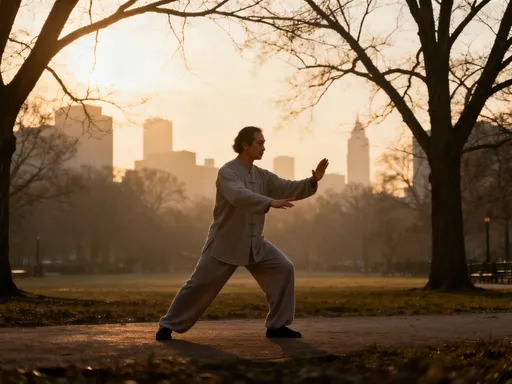
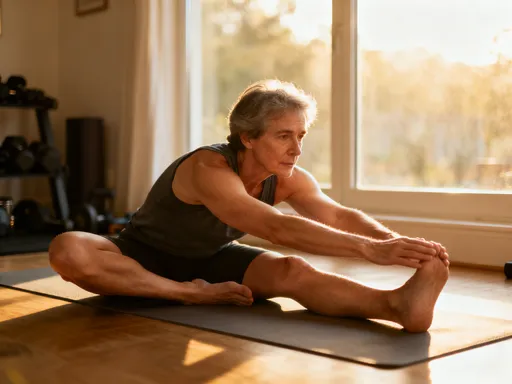
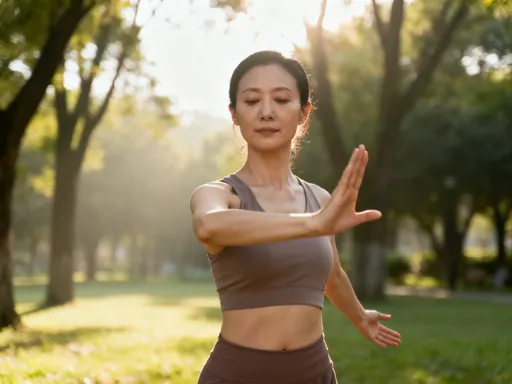
On anxious days, when my thoughts raced and my chest felt tight, I turned to yoga. The slow, deliberate movements and focused breathing helped me reconnect with my body. I wasn’t trying to master poses—I was learning to be present. Rhythmic movement, like yoga or tai chi, has been shown to activate the parasympathetic nervous system, which calms the body’s stress response. Over time, I noticed that even 10 minutes of gentle stretching could shift my mood from frantic to centered.
On days when frustration built up—perhaps after a conflict or a stressful work call—I craved something more dynamic. That’s when I discovered the emotional release of dancing. I’d close the door, play music I loved, and move without judgment. There was no routine, no mirror, no audience. Just motion. Dancing allowed me to express energy that otherwise might have turned inward as rumination or outward as irritability. Cardiovascular activities like brisk walking, cycling, or dancing increase heart rate and circulation, helping to metabolize stress hormones like cortisol and adrenaline.
Strength training brought a different kind of benefit. Lifting light weights or using resistance bands gave me a sense of capability and control. Each rep felt like a small act of self-trust. Studies suggest that resistance training can improve self-esteem and reduce symptoms of anxiety and depression. For me, it wasn’t about lifting heavier—it was about showing up for myself, one rep at a time.
Swimming, when accessible, offered a unique sensory experience. The water’s buoyancy created a feeling of weightlessness, both physically and emotionally. The rhythmic stroke and breath pattern became meditative. I learned that matching activity to emotional state wasn’t about fixing feelings, but about supporting them with movement. The key was enjoyment. If an activity felt like a chore, I wouldn’t stick with it. Pleasure, not punishment, had to be at the heart of the practice.
Beyond the Endorphin Rush: Long-Term Emotional Shifts
In the beginning, I expected quick fixes. I thought exercise would make me happy right away. But the real changes were gradual, almost imperceptible at first. Over months, I began to notice a shift in how I responded to stress. Where I once would have snapped at a minor inconvenience, I now paused. I didn’t always respond perfectly, but the space between stimulus and reaction grew. That space—tiny as it was—became my freedom.
I became less reactive. A delayed response from a colleague no longer triggered a spiral of self-doubt. A child’s messy room didn’t feel like a personal failure. I still felt emotions—anger, sadness, frustration—but they didn’t consume me. I could acknowledge them, let them pass, and return to balance more quickly. This wasn’t suppression; it was regulation. I was learning to ride the waves instead of drowning in them.
The mind-body connection deepened. Physical discipline began to support mental discipline. Showing up for a walk on a rainy day taught me that I could follow through, even when I didn’t feel like it. That reliability translated into other areas—keeping promises to myself, setting boundaries, managing time more effectively. I started to trust myself in a way I hadn’t before.
Real-life examples emerged. During a high-pressure work project, instead of isolating or overworking, I took short movement breaks—walking up and down stairs, stretching at my desk. I stayed calmer, made clearer decisions, and avoided burnout. At home, I responded to conflicts with more patience. I listened instead of defending. These weren’t grand transformations, but they added up. Progress wasn’t linear—there were setbacks, busy weeks, and days when I skipped movement altogether. But the overall pattern was clear: the more I moved, the more emotionally resilient I became.
Common Obstacles and How to Move Past Them
Of course, the journey wasn’t smooth. There were days when motivation vanished. Fatigue, especially during busy seasons of life, made even a short walk feel impossible. Emotional inertia—feeling too low to take action—was perhaps the biggest barrier. When sadness or overwhelm set in, the thought of moving felt like climbing a mountain.
I learned to work with, not against, these moments. The “5-minute rule” became my lifeline: I committed to moving for just five minutes. If after that I still wanted to stop, I could. But more often than not, once I started, I kept going. Motion creates momentum. Even putting on walking shoes often broke the inertia.
Accountability helped too. I shared my goal with a close friend, and we checked in weekly. We didn’t compete—we celebrated small wins. Environment design made a difference. I kept my walking shoes by the door, my yoga mat unrolled in the corner. The fewer barriers, the more likely I was to act.
I had to let go of all-or-nothing thinking. Skipping a day didn’t mean failure. A short walk wasn’t inferior to a long one. Showing up in any form counted. I reframed setbacks as part of the process, not proof of inadequacy. Self-compassion became as important as consistency. This wasn’t about discipline through harshness, but through kindness.
Building a Sustainable Routine: From Habit to Lifestyle
Sustainability came from flexibility, not rigidity. I stopped aiming for a perfect routine and focused on a flexible framework: frequency, duration, variety, and personalization. I aimed for movement most days, but allowed for rest. Duration varied—sometimes 10 minutes, sometimes 45—based on energy and time. Variety kept it engaging. Personalization ensured it fit my life, not someone else’s ideal.
I began tracking how I felt, not just what I did. Instead of counting steps or calories, I noted my mood and energy before and after movement. This helped me see the emotional benefits clearly. On days I didn’t move, I often felt more irritable or scattered. On days I did, I felt clearer and calmer. This feedback loop reinforced the habit.
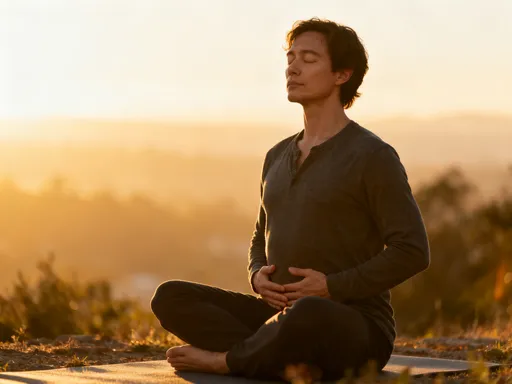
I paired movement with mindfulness. Instead of listening to podcasts every time, I sometimes walked in silence, tuning into my breath, my footsteps, the sounds around me. This deepened the mind-body connection. I learned to listen to my body—when to push gently, when to rest. This wasn’t about achieving fitness goals, but about emotional stability and self-care. Movement became a daily act of honoring myself.
Conclusion: Movement as a Daily Promise to Yourself
Looking back, I see that exercise was never just about the body. It was about emotional maintenance—like brushing your teeth, but for your nervous system. What began as a small experiment rewired my emotional life. I moved from chaos to balance, from reactivity to response, from feeling broken to feeling capable.
This journey wasn’t about becoming someone else. It was about returning to myself—calmer, clearer, more present. I still have tough days. Emotions still rise. But now I have a tool, a practice, a daily promise to show up for myself. Movement is not punishment for how I look. It is a compassionate act of care for how I feel.
And while exercise has been transformative, I also recognize its limits. It complements professional support—it doesn’t replace it. For those dealing with clinical anxiety, depression, or trauma, therapy and medical guidance are essential. Movement is one part of a holistic approach, but a powerful one within reach of nearly everyone.
If you’re struggling with your emotions, consider this: you don’t need a gym, a coach, or a perfect plan. You need one small step. Walk around the block. Stretch for five minutes. Dance in your kitchen. Let movement be your ally. Over time, it may not just change how you feel—it may change how you live.