How Exercise Transformed My Recovery Journey – A Real Talk on Healing the Western Medicine Way
Recovery isn’t just about pills and procedures—movement plays a powerful role. After my own rehab experience, I discovered how exercise, when guided by Western medicine principles, can speed healing, reduce pain, and restore function. This is not a miracle cure, but a science-backed path I walked. If you're healing from injury or surgery, what if the key isn’t just rest—but the right kind of motion? Let’s explore how smart, medical-backed movement makes all the difference.
The Wake-Up Call: When Recovery Hit a Wall
After a routine surgery that was supposed to resolve chronic knee pain, I expected a steady return to normal life. Instead, weeks passed with little improvement. I followed every doctor’s order—rest, elevation, medication—but my mobility remained limited. Simple tasks like climbing stairs or standing from a chair required effort and caused discomfort. Frustration built as I watched the calendar, hoping for progress that never seemed to arrive. My physical therapist gently pointed out that while medical interventions were essential, they weren’t enough on their own. It was time, she said, to reintroduce movement—not recklessly, but with purpose and precision.
This moment was a turning point. I had viewed recovery as a passive process: wait, heal, and eventually return to life. But Western medicine, particularly in rehabilitation science, sees healing differently. It’s not just about letting time pass—it’s about actively engaging the body in its own repair. Clinical guidelines from institutions like the American Physical Therapy Association emphasize that structured physical activity is not an optional add-on but a core component of recovery. For conditions ranging from orthopedic injuries to post-cardiac events, movement is prescribed like medicine—with dosage, timing, and progression carefully monitored. My plateau wasn’t a sign of failure; it was a signal that my recovery plan needed adjustment.
What changed was my mindset. Instead of seeing exercise as something to return to after healing, I began to understand it as part of the healing itself. My care team introduced a tailored movement program designed to stimulate circulation, prevent muscle atrophy, and retrain neuromuscular pathways. This wasn’t about pushing through pain or rushing recovery—it was about working within safe, evidence-based boundaries. The shift from passive waiting to active participation marked the beginning of real progress. And it wasn’t unique to me. Studies show that patients who engage in medically supervised exercise during recovery report significantly better outcomes in pain reduction, functional improvement, and return to daily activities.
Why Doctors Prescribe Movement: The Science Behind Exercise in Rehab
At first, the idea of exercising while injured or healing seemed counterintuitive. Wouldn’t movement cause more damage? But modern Western medicine has long recognized that controlled, progressive activity supports, rather than hinders, recovery. The human body is designed to move, and when movement is restricted for too long, systems begin to deteriorate. Muscles weaken, joints stiffen, and circulation slows—all of which can delay healing. Exercise, when properly prescribed, reverses these effects by stimulating physiological processes that are essential to repair.
One of the most immediate benefits of therapeutic movement is improved blood flow. Circulation delivers oxygen and nutrients to damaged tissues, removes waste products, and supports the formation of new cells. Research published in journals like the Journal of Orthopaedic & Sports Physical Therapy confirms that early mobilization after injury or surgery leads to faster tissue regeneration and reduced inflammation. For example, patients recovering from joint replacement surgery who begin gentle motion within days often experience less swelling and quicker restoration of range of motion compared to those who remain immobilized.
Beyond circulation, exercise plays a critical role in neuromuscular re-education—the process of retraining the brain and nervous system to control muscles effectively after injury. When a limb has been inactive, the neural pathways that govern movement can become less efficient. Targeted exercises help rebuild these connections, improving coordination, balance, and strength. This is especially important in stroke recovery, where physical therapy focuses on reactivating motor skills through repetitive, guided movement. Studies from the National Institutes of Health demonstrate that patients who participate in structured exercise programs after neurological events regain functional independence at higher rates.
Medical professionals use objective assessments to determine when and how to introduce exercise into a recovery plan. Factors such as the type of injury, surgical healing stage, pain levels, and overall health are evaluated before any regimen is prescribed. Imaging, manual testing, and functional assessments help create a personalized plan that progresses safely. The goal is not to rush healing but to optimize it—using movement as a tool, not a test of endurance. This clinical approach ensures that patients receive the right type of activity at the right time, maximizing benefits while minimizing risk.
Types of Therapeutic Exercise: What Actually Works in Clinical Settings
Not all exercise is the same, especially in rehabilitation. Western medical protocols categorize therapeutic movement into distinct types, each serving a specific purpose in the recovery process. These are not random activities but carefully selected interventions based on decades of clinical research and patient outcomes. Understanding the different modalities helps patients appreciate why certain exercises are chosen and how they contribute to overall healing.
Range-of-motion (ROM) exercises are often the first step in recovery, especially after surgery or prolonged immobilization. These movements help prevent joint stiffness and maintain flexibility. They can be passive (performed by a therapist or device), active-assisted (using help from the other limb or a tool), or active (performed independently). For someone recovering from shoulder surgery, for instance, gentle pendulum swings or wall crawls are common early exercises that gradually restore mobility without straining healing tissues.
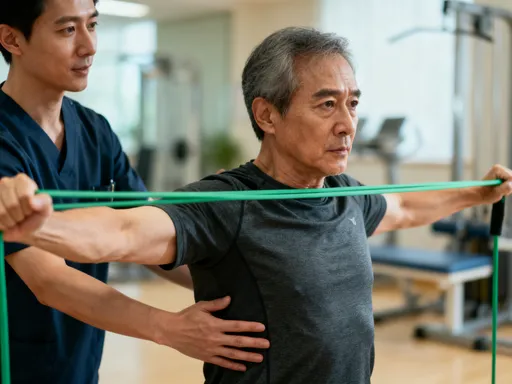
Resistance training follows as strength begins to return. This doesn’t mean lifting heavy weights—it often starts with body weight, resistance bands, or light machines. The goal is to rebuild muscle mass and improve joint stability. For post-knee surgery patients, exercises like straight leg raises or mini squats strengthen the quadriceps, which are essential for walking and stair climbing. Clinical trials have shown that early resistance training, even at low intensity, significantly reduces the risk of long-term weakness and improves functional outcomes.
Aerobic conditioning is another key component, particularly for cardiovascular recovery or overall endurance. Low-impact options like walking, stationary cycling, or water-based exercises increase heart rate safely while minimizing joint stress. After a cardiac event, supervised cardiac rehab programs include monitored aerobic sessions that gradually improve heart function and stamina. The American Heart Association endorses these programs, noting they reduce mortality and improve quality of life.
Balance and coordination drills are vital for fall prevention and functional independence, especially in older adults or those recovering from neurological conditions. Simple exercises like standing on one leg, heel-to-toe walking, or using a balance board retrain the body’s proprioception—the sense of where it is in space. These are not just for athletes; they are essential for daily safety and confidence. The progression from passive to active, from assisted to independent, reflects the body’s healing journey and ensures that each stage builds a foundation for the next.
My Routine: What I Actually Did (And Why It Mattered)
My personalized rehab plan, developed by my physical therapist and approved by my surgeon, followed a clear progression. In the early weeks, the focus was on reducing swelling and regaining basic motion. I performed gentle range-of-motion exercises like seated knee extensions and ankle pumps several times a day. These weren’t strenuous, but they kept fluid moving and prevented stiffness. I used a continuous passive motion (CPM) machine at home, which slowly bent and straightened my knee—a tool supported by clinical studies for improving post-surgical joint mobility.
As pain decreased, I transitioned to active exercises. Daily stretching became a non-negotiable part of my routine. Hamstring, calf, and quadriceps stretches helped maintain flexibility and prevent muscle tightness, which can pull joints out of alignment. I also began low-impact cardio: 10-minute sessions on a recumbent bike, gradually increasing to 30 minutes as my endurance improved. The key was consistency, not intensity. My therapist emphasized that small, daily efforts were more effective than occasional intense sessions.
Strength training started with body-weight exercises—glute bridges, wall sits, and step-ups using a low platform. Later, I incorporated resistance bands for leg presses and lateral walks. These tools allowed controlled resistance without overloading the joint. Form was prioritized over speed or reps; improper technique could undo progress. My therapist recorded my sessions so I could review my posture and alignment at home. This attention to detail made a noticeable difference—within six weeks, I could walk without a limp and climb stairs without holding the railing.
But the changes weren’t just physical. Emotionally, I began to feel capable again. For months, I had felt broken, dependent, and uncertain about the future. Each small victory—bending my knee further, walking a little longer—restored a sense of control. I wasn’t just waiting for my body to heal; I was actively participating in it. This shift in mindset, supported by measurable progress, became a powerful motivator. My routine wasn’t a burden—it became a promise to myself that I would get stronger, one movement at a time.
The Mind-Body Connection: How Movement Boosted More Than Just Muscles
Healing is not just a physical process—it’s deeply psychological. During my recovery, I experienced anxiety, low mood, and disrupted sleep, common among patients facing prolonged rehabilitation. What surprised me was how much these improved as I resumed movement. Exercise didn’t just rebuild my knee; it rebuilt my confidence, focus, and emotional resilience. This is not anecdotal—Western medicine increasingly recognizes the mental health benefits of physical activity during recovery.
One of the most well-documented effects is the release of endorphins, natural brain chemicals that reduce pain and enhance mood. Unlike medication, which can have side effects, endorphins are produced internally through activity. Even light exercise like walking or stretching can trigger their release, leading to what many call the “exercise high.” For someone recovering from surgery or injury, this natural mood boost can be transformative, reducing reliance on pain medication and improving overall well-being.
Beyond chemistry, movement restores a sense of autonomy. When you’re injured, daily life often requires help—from getting dressed to driving or cooking. This dependence can lead to feelings of helplessness. Therapeutic exercise, even in small doses, gives patients back control. Each completed session is a reminder: “I can do this.” This psychological empowerment is a critical but often overlooked part of rehabilitation. Clinical models now integrate mental health screenings and behavioral support into physical therapy, recognizing that emotional recovery is as important as physical recovery.
Sleep also improved dramatically. Pain and inactivity often disrupt sleep patterns, creating a cycle of fatigue and slow healing. Regular movement helped regulate my circadian rhythm, reduced nighttime discomfort, and promoted deeper rest. Studies in the Journal of Clinical Sleep Medicine show that patients who engage in prescribed exercise during recovery report better sleep quality and faster return to normal routines. The mind-body connection is not a metaphor—it’s a measurable, treatable aspect of healing that Western medicine now prioritizes.
Common Mistakes People Make—And How to Avoid Them
Despite the clear benefits of exercise in recovery, many patients struggle to get it right. One of the most common mistakes is overexertion—pushing too hard, too soon, in an effort to speed up healing. I admit I was tempted to do more when progress felt slow. But pain is not a goal; it’s a signal. Ignoring discomfort can lead to re-injury, inflammation, and setbacks that extend recovery time. Western medical guidelines emphasize the “two-hour pain rule”: if pain increases and lasts more than two hours after exercise, the activity was too intense.
Another error is self-prescribing exercises without professional guidance. With so much information online, it’s easy to find workout videos or routines that look helpful. But what works for one person may harm another. A movement that aids recovery for a sprained ankle could aggravate a post-surgical knee. Only a qualified physical therapist or physician can assess your condition and design a safe, effective plan. This is not about restriction—it’s about protection.
Inconsistency is another barrier. Recovery is not linear, and motivation can wane when progress slows. Skipping sessions or doing exercises sporadically undermines the cumulative benefits of movement. The body responds to regularity. Even on days when energy is low, doing a modified version of the routine maintains momentum. My therapist encouraged me to track my sessions in a journal, not to judge myself, but to see patterns and celebrate small wins.
Finally, poor communication with healthcare providers can derail progress. If an exercise causes pain, feels wrong, or isn’t working, it’s essential to speak up. Adjustments are normal and expected. Recovery is a collaboration, not a solo journey. By staying in close contact with my care team, I avoided mistakes that could have delayed my return to full function. The goal is not perfection—it’s steady, safe progress guided by expertise.
Making It Stick: Building a Sustainable, Doctor-Approved Routine
Recovery doesn’t end when formal therapy does. The real challenge is maintaining the gains and preventing future injury. My physical therapist helped me transition from clinical sessions to a home-based maintenance plan. This wasn’t about doing less—it was about doing the right things consistently. I continued daily stretching, added longer walks, and incorporated strength training three times a week. The focus shifted from healing to long-term health.
Accountability played a big role. I used a simple calendar to mark completed sessions, which provided visual motivation. Some days, I enlisted my spouse to join me for walks, turning exercise into shared time. Setting realistic goals—like walking a mile without pain or climbing a flight of stairs comfortably—gave me something to work toward. Achieving these milestones reinforced the value of the routine.
Tracking progress wasn’t just about physical markers. I also noted how I felt—energy levels, mood, sleep quality. Over time, I saw a clear pattern: the days I moved were the days I felt better overall. This evidence-based self-awareness made it easier to stay committed. Technology helped too—a fitness tracker monitored steps and activity levels, providing gentle reminders to move if I’d been sedentary.
Most importantly, I learned to listen to my body. Movement should feel challenging but not painful. Rest is still important, but so is activity. The balance between the two is personal and changes over time. By staying in touch with my doctor and adjusting my routine as needed, I’ve maintained strength and mobility for years after my initial recovery. Long-term movement isn’t just about avoiding setbacks—it’s about living fully, with confidence and resilience.
Exercise isn’t a replacement for Western medical treatment—it’s a vital partner in it. My journey taught me that healing is active, not passive. With professional guidance, the right movements can rebuild strength, confidence, and quality of life. Always consult your doctor, but don’t underestimate the power of motion. Recovery isn’t just about waiting—it’s about moving forward.