How I Found Balance Through Simple TCM Moves Anyone Can Try
For years, I felt constantly drained—until I discovered how traditional Chinese medicine (TCM) uses gentle movement to restore energy. Unlike intense workouts, these practices focus on flow, breath, and harmony. I started with just five minutes a day and noticed real shifts in my mood and stamina. This isn’t about quick fixes, but lasting balance. Here’s how TCM-inspired exercise quietly transformed my wellness journey—and how it could help you too.
The Hidden Energy Problem Many Overlook
Many women in their 30s, 40s, and 50s report feeling tired all the time—even after a full night’s sleep. You wake up with the alarm, manage the morning routine, get the kids to school or head to work, and by midday, you’re already counting the hours until bedtime. It’s not just physical exhaustion; it’s a deep, persistent fatigue that affects concentration, mood, and motivation. Western medicine often labels this as stress or hormonal shifts, but traditional Chinese medicine (TCM) sees it differently. In TCM, this kind of ongoing low energy is seen as a disruption in Qi—the vital life force that flows through the body along pathways called meridians.
Qi is not just a philosophical idea; it’s a foundational concept in TCM that explains how the body maintains balance. When Qi flows smoothly, we feel alert, calm, and capable. When it becomes blocked or imbalanced, we experience fatigue, irritability, poor digestion, or trouble sleeping. Unlike the Western model of “burn energy, then rest,” TCM emphasizes continuous, balanced circulation of energy. Pushing through exhaustion with caffeine or high-intensity workouts may provide a short boost, but it often depletes Qi further, creating a cycle of burnout and recovery that never quite catches up.
The key insight from TCM is that energy isn’t something you only replenish through sleep or nutrition—it’s also cultivated through mindful movement and breath. Gentle, rhythmic motions help unblock stagnation, especially in the liver and spleen meridians, which are closely linked to emotional regulation and digestive health. For women managing household responsibilities, careers, and personal well-being, this approach offers a sustainable way to regain vitality without adding more strain. The goal isn’t to do more, but to move in a way that supports the body’s natural rhythm and restores harmony from within.
Why Movement in TCM Isn’t About Burning Calories
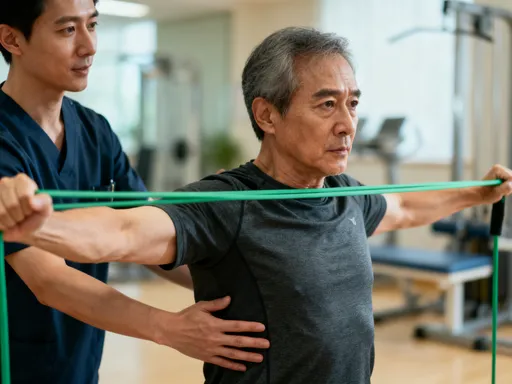
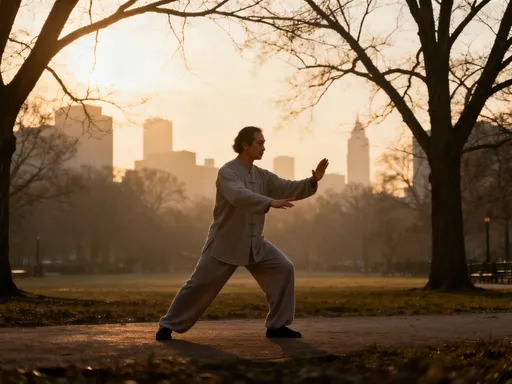
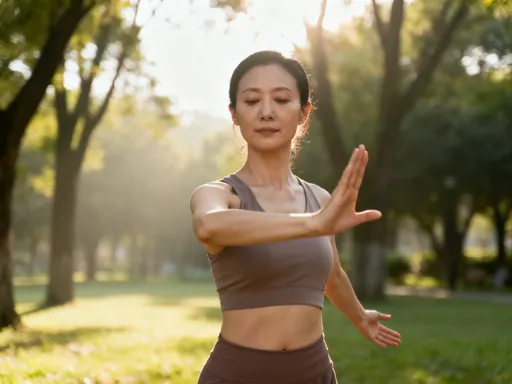
In a world obsessed with step counts, heart rate zones, and calorie tracking, the idea of exercising without breaking a sweat can seem counterintuitive. Yet in traditional Chinese medicine, the purpose of movement isn’t to burn energy—it’s to cultivate and circulate it. Practices like Tai Chi, Qigong, and meditative stretching are designed not for physical transformation, but for energetic balance. These slow, deliberate movements are paired with deep, rhythmic breathing and a calm focus, creating a state of active stillness that benefits both body and mind.
Scientific research supports what TCM has taught for centuries: low-impact, mindful movement improves circulation, reduces cortisol levels, and activates the parasympathetic nervous system—the part of the body responsible for rest and recovery. A 2020 review published in the Journal of the American Geriatrics Society found that regular Qigong practice significantly improved energy levels, sleep quality, and emotional well-being in middle-aged and older adults. Unlike high-intensity interval training, which stresses the body to build strength, TCM-inspired movement works by reducing internal resistance, allowing energy to flow more freely.
These practices also support organ function according to TCM theory. For example, gentle twisting motions are believed to stimulate the liver and gallbladder meridians, helping to release stored tension and improve emotional resilience. Slow arm raises and deep breathing engage the lung meridian, which is associated with letting go and processing grief. While these connections may sound abstract, many women report feeling a tangible shift—such as a sense of lightness in the chest or a quieting of mental chatter—after just a few minutes of practice.
The beauty of TCM movement is that it doesn’t require athletic ability or special equipment. You don’t need to master complex forms or spend hours training. Even five minutes of mindful motion can make a difference. The emphasis is on consistency, not performance. By shifting the focus from output to internal awareness, these practices offer a compassionate alternative to the all-or-nothing fitness culture that often leaves women feeling guilty or inadequate.
My First Week: What Actually Happened
I began with just five minutes each morning. No fancy clothes, no mat, no quiet room—just me standing in my kitchen after making tea. I followed a simple routine: rotating my wrists and ankles, rolling my shoulders, lifting my arms slowly as I inhaled, and lowering them as I exhaled. At first, it felt almost too simple. I kept wondering if I was doing it right, if this could possibly make any difference. But by the third day, something shifted. I noticed a warmth spreading through my hands during the arm lifts—a sensation I’d never paid attention to before. My shoulders, which usually carried tension like a second coat, began to relax.
By the end of the week, the changes were subtle but real. I wasn’t suddenly full of boundless energy, but I did feel more present in the mornings. The usual rush of anxiety that accompanied my to-do list seemed quieter, as if my mind had a little more space to breathe. I found myself pausing during the day—while waiting for the kettle to boil or standing in line at the grocery store—to take a few slow, deep breaths. These micro-moments of awareness became anchors in my day.
The biggest surprise was how quickly consistency mattered more than intensity. I didn’t need to push myself or track progress. Just showing up for those few minutes created a ripple effect. My sleep improved slightly—I fell asleep faster and woke up feeling less groggy. My digestion, which had been sluggish for years, seemed more regular. These weren’t dramatic changes, but they were meaningful. For the first time in a long time, I felt like I was doing something kind for my body, not demanding more from it.
This experience taught me that wellness doesn’t always come from big efforts. Sometimes, it’s the smallest, gentlest actions that create the deepest shifts. The practice wasn’t about fixing anything; it was about reconnecting with my body’s natural rhythm and honoring its need for balance.
The Three Core Principles Behind TCM Movement
What makes TCM-inspired movement different from other forms of exercise isn’t just the physical motions—it’s the mindset behind them. At the heart of these practices are three core principles: gentle effort, coordinated breath, and intentional focus. Together, they create a framework that supports energy flow, reduces stress, and strengthens the mind-body connection. These aren’t abstract concepts reserved for monks or martial artists; they’re practical tools that anyone can apply, even in the middle of a busy day.
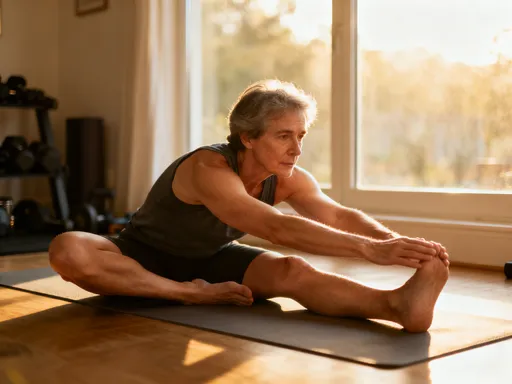
Gentle effort means moving with ease, not force. In TCM, excessive strain is seen as a form of Qi depletion. When you push too hard, you create tension that blocks energy flow. Instead, the goal is to move with softness and fluidity, as if guiding energy through your limbs rather than commanding your muscles. This doesn’t mean being lazy or passive—it means respecting your body’s limits and working with its natural capacity. Even a simple stretch becomes more effective when done slowly and without strain.
Coordinated breath is the second principle. In TCM, breath is considered a direct source of Qi. Nasal breathing, in particular, is emphasized because it filters, warms, and slows the air, helping to calm the nervous system. When you synchronize movement with breath—inhaling as you expand, exhaling as you contract—you create a rhythm that supports internal balance. For example, lifting your arms on the inhale and lowering them on the exhale helps regulate the flow of energy through the lung and large intestine meridians, which are associated with release and letting go.
Intentional focus, or mindfulness, is the third pillar. This means paying attention to the sensations in your body, the quality of your breath, and the direction of your thoughts. In TCM, the mind and body are not separate; they influence each other constantly. When you move with awareness, you strengthen this connection, allowing your body to respond more effectively to stress and fatigue. You don’t need to clear your mind completely—just notice what’s happening without judgment. Over time, this practice builds resilience, helping you stay grounded even during challenging moments.
Building Your Own 5–10 Minute Daily Practice
Starting a TCM-inspired movement practice doesn’t require special skills or equipment. The most important thing is to begin small and stay consistent. A 5–10 minute routine, done daily, is far more effective than an hour-long session once a week. The key is to create a ritual that fits into your life, not one that adds pressure. Morning is often the best time, as it sets the tone for the day, but evening practice can also help release the tension of daily responsibilities.
Here’s a simple framework you can follow: Begin with joint rotations—gentle circles of the wrists, ankles, shoulders, and neck. This warms up the body and encourages Qi to flow through the extremities. Move slowly, breathing deeply through your nose. Next, add flowing arm movements: inhale as you lift your arms out to the sides and up overhead, exhale as you lower them back down. Keep your movements smooth, like water. You can do this standing or seated—what matters is the rhythm, not the form.
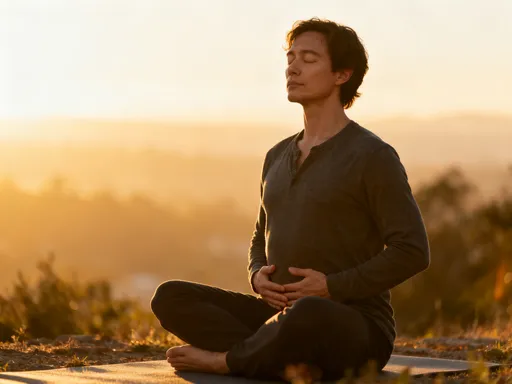
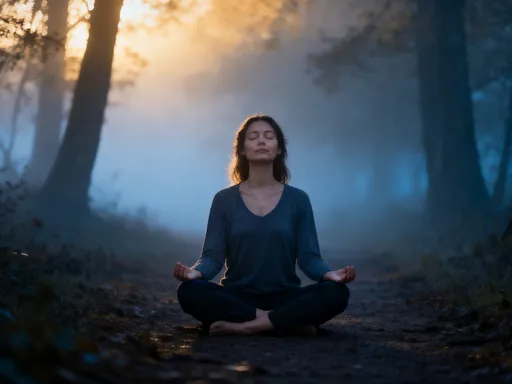
Then, incorporate a brief walking meditation. If you have space, take slow, deliberate steps, lifting each foot with awareness and placing it down gently. Coordinate each step with your breath—one step per inhale, one per exhale. If you’re at work or in a crowded place, you can do this mentally, imagining the motion while standing still. Finish with a moment of stillness: stand or sit quietly, hands resting on your lower abdomen, focusing on the rise and fall of your breath. This helps integrate the practice and return to a state of calm.
You don’t need special clothing or a quiet room. You can do this in your pajamas, at your kitchen counter, or even at your desk. The goal is not perfection, but presence. Over time, you can expand the practice by adding gentle stretches or learning simple Qigong forms, but the foundation remains the same: gentle motion, breath, and awareness. Think of it as a daily act of self-respect—a way to honor your body’s need for balance and care.
When to Expect Changes—and What to Watch For
It’s important to approach TCM movement with patience. Unlike fast-acting stimulants or intense workouts that deliver immediate results, the benefits of gentle, mindful practice unfold gradually. Most women begin to notice subtle shifts within two to three weeks. These may include improved sleep quality, a slight boost in morning energy, or a greater sense of calm during stressful moments. Digestive changes, such as more regular bowel movements or reduced bloating, are also common, as TCM links the spleen and stomach meridians to energy production and emotional well-being.
Pay attention to how your body responds. Positive signs include a feeling of warmth in the hands or feet, deeper breathing, relaxed muscles, and a quieter mind. These are indications that Qi is moving more freely. However, if you experience soreness, tension, or fatigue after practice, you may be pushing too hard. Remember, this is not about exertion. If your shoulders ache or your breath becomes shallow, it’s a signal to slow down and soften your movements.
Progress in TCM practice is often indirect. You might not feel “more energetic” in the conventional sense, but you may find that you handle daily stress with more ease, or that you’re less reactive to minor frustrations. These are signs of deeper balance. The changes are not always dramatic, but they are lasting. Over time, many women report feeling more grounded, more in tune with their bodies, and more capable of managing life’s demands without depletion.
It’s also normal to have days when the practice feels harder—perhaps due to weather, emotional stress, or physical fatigue. On those days, shorten the routine or simply focus on breath. The goal is not to achieve a perfect session, but to maintain the connection. Trust that even a few mindful breaths contribute to long-term well-being.
Integrating TCM Wisdom Into Everyday Life
One of the most powerful aspects of TCM movement is that it doesn’t have to be confined to a formal practice. The principles—gentle effort, coordinated breath, and intentional focus—can be woven into daily activities. Standing while waiting for the bus? Align your posture, relax your shoulders, and take a few deep breaths. Sitting at your desk? Roll your wrists, stretch your neck gently, and pause to inhale slowly through your nose. These small moments accumulate, reinforcing the body’s natural rhythm and preventing energy stagnation.
Mindful movement can also transform routine tasks. Washing dishes, folding laundry, or walking to the mailbox become opportunities to practice awareness. Instead of rushing, move with intention. Feel the water on your hands, the texture of the fabric, the contact of your feet with the ground. This isn’t about adding more to your day—it’s about being fully present in what you’re already doing.
Over time, this approach shifts your relationship with your body. Instead of seeing it as a machine that needs constant fixing or pushing, you begin to treat it with care and respect. You learn to listen to its signals—when to rest, when to move, when to breathe deeply. This is the essence of TCM: not a quick fix, but a lifelong practice of balance.
For women navigating the many roles of modern life, this kind of self-care is not indulgent—it’s essential. By integrating these simple, time-tested practices into your daily routine, you create a foundation of resilience. You may never become a Qigong master, and that’s not the goal. The real victory is in those quiet moments when you feel more centered, more capable, more like yourself. That’s the power of gentle movement—small actions, deep results.