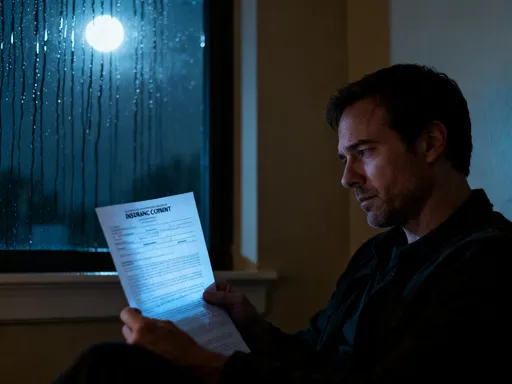
How I Smartly Tackle Accident Coverage — A Real Talk on Healthcare’s Financial Safety Net
Accidents happen when we least expect them—slips, falls, sudden injuries. I learned this the hard way. What started as a minor bike crash turned into a costly hospital visit. That’s when I realized: having healthcare coverage isn’t just about doctor visits—it’s about financial survival. Today, more people are rethinking accident coverage not as an add-on, but as a core shield in their financial plan. Let me walk you through why this shift matters and how to stay ahead.
The Hidden Cost of "Minor" Accidents
Most people assume that a fall from a ladder or a sprained ankle from a weekend hike won’t lead to major expenses. But the reality is far different. What seems like a minor incident can quickly spiral into a financial burden. Emergency room visits alone can cost anywhere from $500 to over $2,000, even before treatment begins. Add in X-rays, MRIs, casts, or stitches, and the bill grows rapidly. These services are often only partially covered by standard health insurance, leaving individuals responsible for co-pays, deductibles, and non-covered procedures.
Beyond medical bills, there are indirect costs that are just as impactful. Missed workdays mean lost wages, especially for those without paid leave. A single broken arm might require several weeks of recovery, during which income stops but bills keep coming. For self-employed individuals or hourly workers, this disruption can be devastating. Even families with solid insurance find themselves dipping into savings or using credit cards to cover unexpected gaps. These expenses are not rare—they’re routine. Studies show that nearly half of American adults have faced a medical bill they couldn’t pay within the past year, and a significant portion of those stemmed from accidents.
The misconception that “it won’t happen to me” blinds many to this risk. Yet data from the National Safety Council confirms that the average person has a 1 in 10 chance of suffering an injury serious enough to require medical attention each year. That’s not a remote possibility—it’s a recurring reality. When an accident occurs, the financial shock often hits harder than the physical one. Without a clear strategy, even a seemingly small event can erode months of budgeting and saving. Recognizing that accidents are not outliers, but predictable risks, is the first step toward building a resilient financial plan.
Why Traditional Health Insurance Isn’t Enough
Standard health insurance is designed to cover illness and major medical events, but it often falls short when it comes to accidents. While it may pay for hospitalization or surgery, many associated costs remain the responsibility of the patient. Deductibles must be met before coverage kicks in, and co-pays apply to every visit, test, and prescription. For example, a person with a $3,000 deductible won’t see any benefits until they’ve spent that amount out of pocket—money that may not be readily available after an unexpected injury.
Additionally, traditional plans frequently exclude or limit coverage for services critical to recovery. Physical therapy, a common need after fractures or sprains, may only be partially covered or capped at a certain number of sessions. Transportation to and from medical appointments is rarely included, yet it can add up, especially for those living far from treatment centers. Home modifications, such as installing grab bars or ramps after a fall, are typically not covered at all, despite being essential for safety and independence.
Another limitation is network restrictions. If an accident happens while traveling or outside a provider’s service area, care may be considered out-of-network, leading to higher costs or denied claims. This lack of flexibility creates vulnerabilities, particularly for active individuals or those with unpredictable schedules. Furthermore, standard insurance doesn’t provide cash support for non-medical expenses like child care, groceries, or utility bills that pile up when someone is unable to work.
Accident coverage fills these gaps by offering targeted financial protection. Unlike broad health plans, it’s designed specifically for unexpected injuries, providing benefits that complement existing policies. It doesn’t replace health insurance—it enhances it. By addressing the shortcomings of traditional coverage, accident insurance ensures that a single incident doesn’t derail long-term financial stability. Understanding this distinction is crucial for anyone seeking comprehensive protection.
The Rising Trend: Financially Savvy People Are Adding Accident Coverage
In recent years, there has been a noticeable shift in how people approach financial risk. More individuals are recognizing that health and wealth are deeply connected. Accident coverage, once seen as an optional perk, is now being adopted as a strategic component of personal finance. This trend is particularly strong among self-employed workers, gig economy participants, and small business owners—groups that often lack employer-sponsored benefits and face greater income volatility.
Data from industry reports shows a steady increase in enrollment in supplemental insurance products, including accident plans. Between 2018 and 2023, sales of individual accident insurance policies rose by over 30%, outpacing growth in many other types of personal insurance. This surge reflects a growing awareness that emergencies don’t just affect health—they impact budgets. Consumers are no longer waiting for a crisis to act; they’re proactively building layers of protection.
Financial advisors are also beginning to recommend accident coverage as part of a balanced risk management strategy. They emphasize that while saving for emergencies is essential, having immediate access to funds after an injury can make a critical difference. Unlike emergency funds, which take time to replenish, insurance benefits are paid quickly once a claim is approved. This liquidity helps families avoid debt and maintain stability during recovery.
Social proof further reinforces this trend. Online communities and parenting forums increasingly include discussions about accident coverage, with members sharing real experiences of how a policy helped cover medical co-pays, transportation, or lost income. These stories resonate because they reflect common life situations—children playing sports, adults hiking or cycling, seniors managing mobility risks. The message is clear: financial preparedness isn’t just for retirement or home buying; it includes protecting against sudden, unexpected events that can drain resources overnight.
How Accident Coverage Works—And Who Actually Benefits
Accident insurance operates on a straightforward principle: when an injury occurs, the policyholder receives a direct benefit. This can come in the form of a lump-sum payment, a fixed amount per type of injury, or reimbursement for specific expenses like emergency care or hospital stays. For example, a broken bone might trigger a $1,500 payout, while a burn treatment could result in $750. These funds are paid directly to the insured, not the healthcare provider, giving individuals control over how the money is used.
One of the key advantages of accident coverage is its simplicity. Claims are generally easy to file, requiring only basic documentation such as a medical report or discharge summary. Once approved, payments are typically issued within days. There are no networks to navigate, no pre-approvals needed, and no restrictions based on where care was received. This flexibility is especially valuable for those who travel frequently or live in rural areas with limited access to specialists.
Certain groups benefit more than others. Parents of young children often see value in coverage, as kids are prone to falls, sports injuries, and playground mishaps. Active adults who engage in outdoor activities like skiing, cycling, or gardening also face higher risks. Workers in physically demanding jobs—construction, delivery, or caregiving—face daily exposure to potential accidents. Even office workers aren’t immune; slips in parking lots or stairwells are common.
Real-life cases illustrate the impact. One woman used her accident benefit to cover physical therapy after a hiking fall, avoiding the need to dip into her retirement account. A father received a payout after his son broke an arm playing soccer, using the funds to pay for follow-up visits and adaptive equipment. These examples show that accident coverage isn’t about replacing income—it’s about preserving it. By providing timely financial support, it allows families to focus on healing rather than worrying about bills.
Balancing Risk and Return: Is It Worth the Premium?
When evaluating any insurance product, the question arises: does the benefit justify the cost? Accident coverage typically requires a monthly premium ranging from $20 to $60, depending on the level of protection and the insurer. While this may seem like an added expense, it’s important to view it in the context of risk mitigation. Small, predictable payments can prevent large, unpredictable debts.
Consider a scenario where someone suffers a fracture requiring surgery, a cast, and several weeks of physical therapy. Out-of-pocket costs, including deductibles, co-pays, and lost wages, could easily exceed $5,000. If the accident policy provides a $3,000 lump sum, it significantly reduces the financial strain. Even if the full amount isn’t used, the peace of mind that comes with having a safety net is invaluable. Unlike investments that promise returns, insurance is about loss prevention—not profit.
Some may argue that building an emergency fund is a better alternative. While saving is crucial, it takes time to accumulate enough to cover major incidents. An emergency fund of $10,000 might take years to build, and using it for a single event means starting over. Accident insurance, on the other hand, provides immediate access to funds without depleting savings. It’s not a replacement for saving—it’s a supplement.
Another consideration is opportunity cost. The money spent on premiums could theoretically be invested, but the returns on most low-risk investments are modest and not guaranteed. In contrast, the benefit of accident coverage is its reliability when needed. It doesn’t matter how the funds are generated—what matters is having them available at the right time. For many, the cost-benefit analysis clearly favors having a policy, especially when weighed against the potential consequences of being unprepared.
Smart Strategies to Maximize Protection Without Overspending
Choosing the right accident coverage requires careful consideration. The goal is to get adequate protection without paying for unnecessary features. Start by assessing personal risk factors. A sedentary office worker may need less coverage than a parent with two active teenagers or a weekend athlete. Look for policies that allow customization—some insurers let you adjust benefit amounts or add riders for specific concerns like dental injuries or accidental death.
Bundling can also lead to savings. Some providers offer discounts when accident insurance is purchased alongside other supplemental policies like critical illness or hospital indemnity plans. However, be cautious of overlapping benefits. If two policies cover the same expense, you won’t receive double payments. Review each policy’s terms to ensure they complement rather than duplicate each other.
Reading the fine print is essential. Pay attention to exclusions—some policies don’t cover injuries from high-risk activities like skydiving or professional sports. Others may have waiting periods before benefits apply. Compare multiple providers to understand differences in payout structures, claim processes, and customer service. Independent reviews and ratings can offer insight into how smoothly claims are handled.
Lifestyle alignment is key. If you travel often, choose a plan with no geographic restrictions. If you have young children, consider coverage that includes benefits for pediatric injuries. The most effective policy is one that fits your life, not a generic template. By taking a thoughtful, personalized approach, you can achieve meaningful protection without overspending.
The Bigger Picture: Accident Coverage in Your Financial Ecosystem
Financial resilience is not built on a single product or strategy—it’s created through layers of protection. Accident coverage is one piece of a larger puzzle that includes emergency savings, disability insurance, health insurance, and retirement planning. Each component plays a distinct role. Emergency funds handle small, predictable setbacks. Disability insurance replaces income during long-term illness. Health insurance covers medical treatments. Accident coverage bridges the gaps between them, providing targeted support when sudden injuries occur.
Think of it as a safety net with multiple strands. If one breaks, the others still hold. Without accident coverage, the burden falls entirely on savings or credit—resources that may already be stretched. With it, families can respond to crises without derailing long-term goals. This layered approach reduces overall financial vulnerability and increases confidence in the face of uncertainty.
Ultimately, protecting wealth is just as important as growing it. A sudden injury shouldn’t mean sacrificing retirement plans or dipping into college funds. Accident coverage helps maintain stability, allowing individuals to recover physically and financially. It’s not about fear—it’s about preparation. By integrating this protection into a comprehensive financial plan, people can live with greater peace of mind, knowing they’re ready for whatever life throws their way.