Why Your Family Conversations Are Still Stuck in Texts and Sticky Notes
Family life moves fast—between school runs, work deadlines, and grocery lists, meaningful connection often slips through the cracks. You want to stay close, share little moments, and keep everyone on the same page, but juggling messages across apps just isn’t working. What if there was a simpler way? Not another chore, but a quiet helper that brings warmth and clarity to your daily chaos. Let’s talk about how something as simple as a shared family note app can quietly transform the way you live, listen, and belong.
The Everyday Chaos No One Talks About
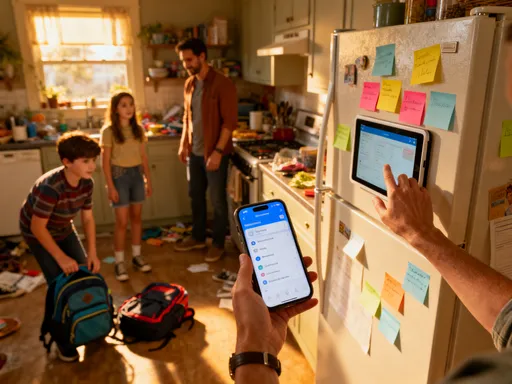
Remember that morning when your daughter handed you a crumpled piece of paper at the bus stop? “It’s for the field trip,” she said, already halfway down the sidewalk. You tucked it into your coat pocket, promising yourself you’d scan it later. But by the time you got home, it was gone—lost somewhere between the laundry pile and your partner’s jacket. Sound familiar? We don’t talk enough about how much emotional energy gets spent just trying to keep up with the small stuff. It’s not dramatic. There’s no villain, no crisis. Just a slow, steady drip of miscommunications: the dentist appointment confirmed in a text chain from three weeks ago, the soccer game time changed in an email buried under spam, the grocery list rewritten five times because someone used the back for math homework.
And let’s be honest—this weight usually lands on one person. Often, it’s you. You’re the one double-checking calendars, sending reminders, making sure the dog gets walked and the birthday card gets mailed. It’s not that others don’t care. They do. But without a shared system, everything lives in your head, and that’s a heavy place to store an entire household’s rhythm. Over time, it wears you down. You start to feel like a project manager instead of a mom, a coordinator instead of a partner. And when you’re exhausted from holding it all together, the sweet, quiet moments—the bedtime stories, the spontaneous kitchen dance parties—start to feel like luxuries you can’t afford.
But here’s the good news: it doesn’t have to be this way. You don’t need to add another app that buzzes with notifications or demands daily check-ins. What you need is something gentle, something that works with your life instead of against it. Something that feels less like technology and more like a helping hand.
What If Your Fridge Could Talk (And Actually Stay Organized)?
Imagine if your refrigerator didn’t just store leftovers but also held your family’s heartbeat—reminders, jokes, grocery lists, and love notes, all in one place. That’s essentially what a shared family note app does. It’s not flashy. It doesn’t have AI avatars or voice assistants that tell dad jokes. It’s simple. And that’s exactly why it works. These apps—like Google Keep, Apple Notes with sharing, or family-focused tools like Cozi or OurFamilyWizard—act like a digital corkboard where everyone can pin things up. The grocery list? It’s live. When someone adds eggs, everyone sees it. When someone checks off milk, it disappears. No more buying three cartons because no one knew the other two already did.
Think about how often you’ve said, “I thought you were picking up the kids.” Or “I texted you about dinner!” Those moments of friction? They’re not about miscommunication as much as they are about misalignment. Everyone’s using a different system. One person lives in WhatsApp, another in email, another in mental notes they forget by noon. A shared note app brings everyone into the same room—digitally, of course. You can tag your son to take out the trash, set a reminder for your partner to confirm the vet appointment, or leave a voice note for your daughter saying, “I saw these cute shoes and thought of you.” It’s not about surveillance. It’s about support. The tech stays in the background. You don’t have to learn new features or watch tutorial videos. You just use it like you would a sticky note—but one that doesn’t fall off and can be seen from anywhere.
And here’s something I didn’t expect when I first tried this: it made me feel less alone. When I opened the app and saw my husband had already added “dog meds” to the to-do list, or my teen had shared a meme with the caption “this is how I feel about homework,” it was like a tiny wave of connection. No big conversation needed. Just a quiet “I’m here” in digital form. That kind of reassurance? It adds up.
From To-Do Lists to “I Love You” Moments
At first, you might use the app just for logistics. The grocery list. The dentist appointment. The school supply checklist. But then something shifts. You start leaving little notes that have nothing to do with chores. A photo of the first daffodils blooming in the backyard. A voice message saying, “So proud of you for finishing that project.” A shared countdown to summer vacation with a silly GIF of dancing pineapples. These aren’t grand gestures. But in the rush of daily life, they’re everything.
One mom I spoke with told me how she started a “gratitude jar” in her family’s note app. Every Sunday night, each person adds one thing they’re thankful for. Her eight-year-old wrote, “I’m glad we had pancakes this morning.” Her husband said, “I love how you laugh when you’re trying not to.” These entries aren’t deleted. They live in the app, building a quiet archive of joy. When things get hard—and they do—she goes back and reads them. “It reminds me of who we are,” she said. “Not just a bunch of people managing schedules, but a family who notices each other.”
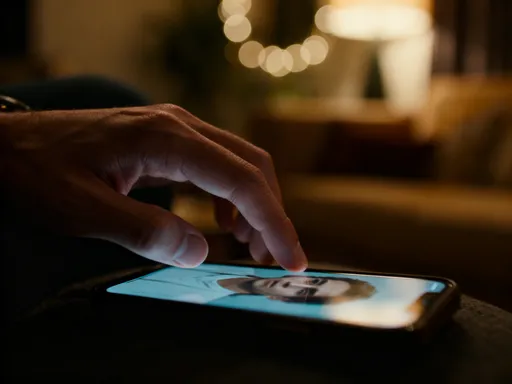
And that’s the magic. These apps don’t just reduce miscommunication—they increase connection. When communication feels light and easy, love flows more naturally. You don’t have to wait for a quiet moment at dinner to say something sweet. You can leave it in the app, knowing it’ll be seen when the time is right. A teen who struggles to say “I love you” out loud might record a voice note after a tough day: “Thanks for making me soup.” A grandparent miles away can send a scanned recipe with a note: “This is what I made for your mom when she was little.” These moments aren’t performative. They’re real. And they happen because the barrier to sharing is so low.
Making It Work Without the Overwhelm
Now, I know what you might be thinking: “Another app? Really? My phone is already full of things I don’t use.” And you’re not wrong. Tech can feel like one more thing to manage—especially when it comes with setup guides, learning curves, and push notifications that never stop. That’s why the key is simplicity. You don’t need the fanciest tool. You need one that feels like second nature. Start with something basic: a shared note in an app you already use. If you’re on an iPhone, try creating a shared list in Apple Notes. Android users can use Google Keep. No need to download anything new.
Set it up in ten minutes. Create a few sections: “Groceries,” “To-Do,” “Family Fun,” and “Sweet Notes.” Invite one other person—your partner, your oldest child—and show them how to add something. Make it fun. Leave a note that says, “If you read this, leave a heart.” When they do, respond with a voice message: “Yay! You found it!” It’s playful. It’s low pressure. And it builds the habit.
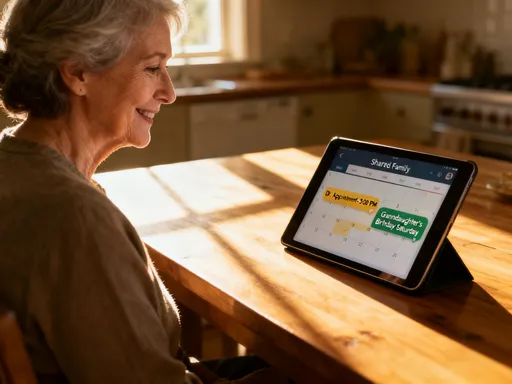
Getting kids on board is easier than you think. Try saying, “Hey, want to leave each other fun notes instead of sticky ones?” Or “Let’s make a shared list of movies we want to watch together.” For grandparents, frame it as a way to stay close. “We’re using this little app to share photos and reminders. Want to join so you can see when the kids have concerts?” Most elders aren’t afraid of technology—they’re afraid of feeling like a burden. When they see it’s simple and that they’re included, they light up. One grandmother told me, “I don’t understand half the apps my grandkids use, but this one? I can leave a note for my grandson’s birthday, and he hears my voice. That means the world.”
The goal isn’t perfection. It’s presence. Start small. Use it for one list. One photo album. One shared reminder. Let it grow naturally. And if someone forgets to check it? No guilt. No nagging. Just keep using it yourself. Eventually, others will notice. They’ll see the milk is already bought, the trash is taken out, and there’s a sweet message waiting for them. And they’ll want in.
When Life Gets Messy—And the App Still Helps
No tool can fix everything. Families face real challenges—illness, loss, transitions, teenage mood swings. During those times, even the best system can feel inadequate. But here’s what I’ve learned: the simplest tools often become the most essential when life gets hard. When my sister was recovering from surgery last year, she used a shared note app to coordinate care. Her husband added meal delivery times, her mom tracked medication schedules, and her kids left drawings and voice messages: “We miss you. Get better soon.” She didn’t have the energy to answer calls or texts. But opening the app felt manageable. “It was like a warm hug in my pocket,” she said.
During a family trip gone wrong—delayed flights, lost luggage, a sick child—the shared app became our command center. Instead of frantic group texts, we updated the note: “Luggage found,” “Kid asleep at gate,” “Dinner ordered.” It kept us calm. It kept us connected. And when we finally got to the hotel, we found a note from our teenage son: “This trip is a mess. But I’m glad we’re together.” We laughed. We cried. And we saved that note.
These apps don’t erase stress. But they reduce the noise around it. When you’re overwhelmed, the last thing you need is more confusion. A shared space gives everyone a single source of truth. It’s not about control. It’s about care. And sometimes, that’s enough.
Beyond the Household—Connecting Across Generations
Family isn’t just who you live with. It’s grandparents, aunts, cousins, family friends who feel like kin. And these apps can stretch to include them all. One family I know uses their shared note space as a digital scrapbook. Grandparents scan old recipes and add stories: “This cake is what I served at your parents’ wedding.” Cousins collaborate on a holiday playlist, adding songs from their childhoods. A family friend going through a tough time receives a weekly “love note” from the group: a photo, a quote, a voice message saying, “We’re thinking of you.”
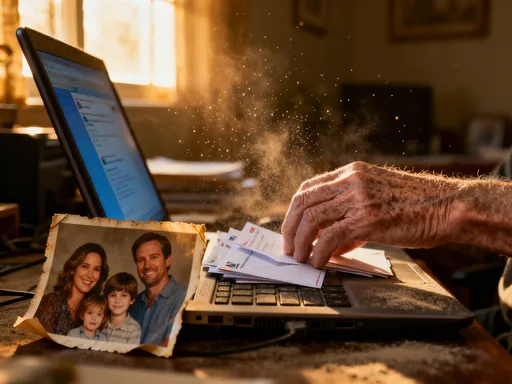
These aren’t just digital files. They’re acts of love. And because they’re shared and accessible, they become part of the family’s living history. A child can grow up reading notes from a grandparent who passed away. A teen can listen to a voice message from a cousin who moved across the country. The app becomes a bridge—between generations, between distances, between busy lives.
And the beauty is, it doesn’t require tech expertise. It just requires willingness. One grandfather told me, “I didn’t think I’d ever understand this stuff. But when I saw my granddaughter’s drawing pop up with her voice saying, ‘Papa, I made this for you,’ I knew I had to learn.” He did. And now, he’s the one leaving notes every Sunday: “Weather’s nice. Hope you’re all well.”
The Quiet Revolution in Your Pocket
None of this is about chasing the latest tech trend. It’s not about having the most features or the fanciest interface. It’s about something deeper: reclaiming time, reducing stress, and making space for what really matters. When the little things—grocery lists, reminders, schedules—are handled with ease, the big things finally get room to grow. You look up from your phone and see your child’s face. You laugh over a shared meme instead of arguing about forgotten homework. You hear your partner’s voice saying, “I love you,” not because it’s Valentine’s Day, but because they felt like saying it.
That’s the quiet revolution. It’s not loud. It doesn’t make headlines. But it changes everything. A shared family note app isn’t a gadget. It’s a gesture. A way of saying, “I see you. I’m here. We’re in this together.” It helps you breathe a little easier, connect a little deeper, and remember that family isn’t about perfection. It’s about presence.
So maybe your conversations don’t need to stay stuck in texts and sticky notes. Maybe they can live in a place that’s simple, warm, and always within reach. Not because it’s high-tech, but because it’s human. And sometimes, the most powerful technology is the one that helps you forget it’s there—and remember each other instead.